
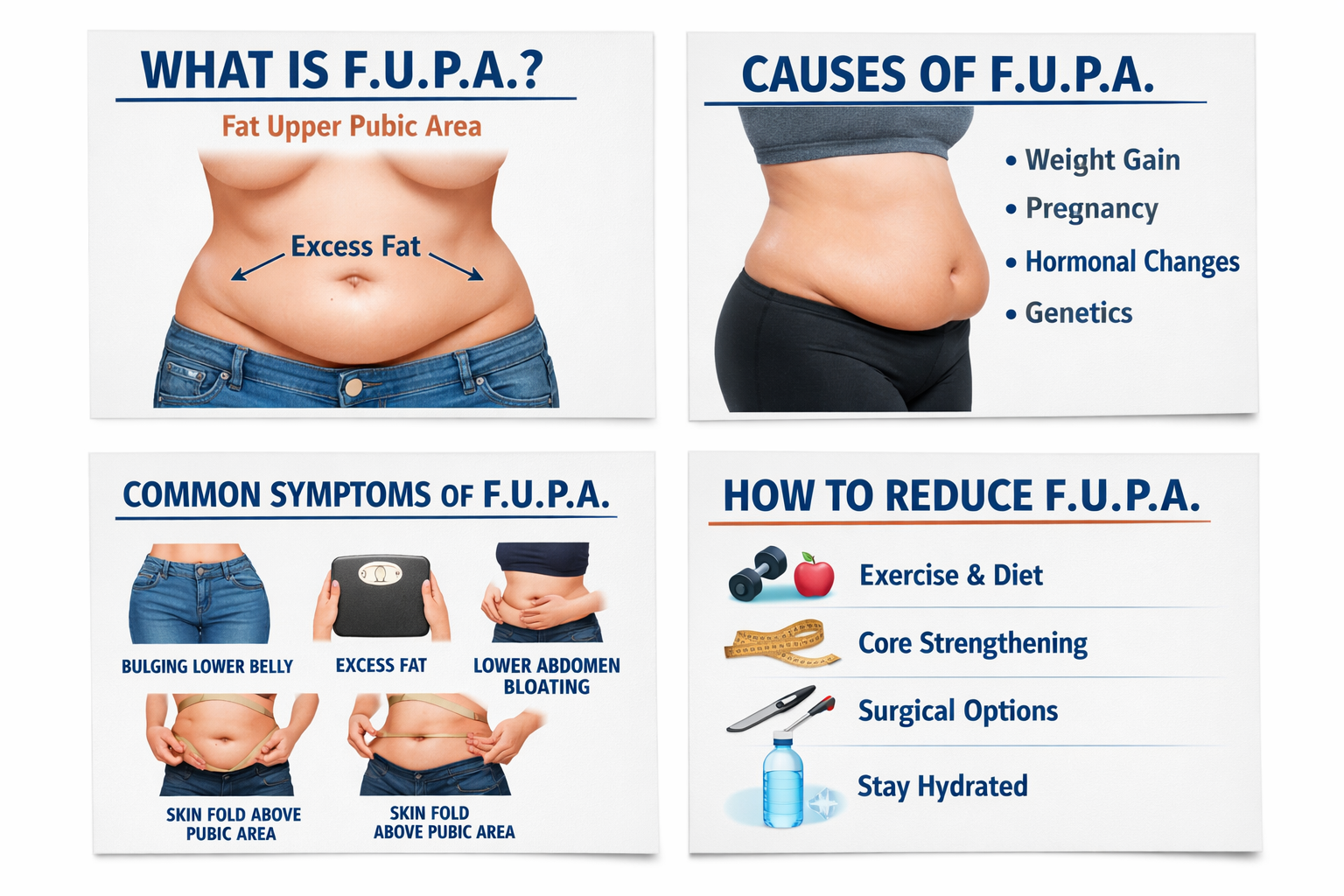
Introduction to FUPA and its role in Body Image
FUPA is a term used to describe the fat upper pubic area. It has become popular in discussions on body image and acceptance. The term is often used in discussions about body positivity, but it’s still shrouded in myths and misunderstandings. FUPA can evoke feelings such as insecurity and shame for many. What if this narrative were reframed? Instead of focusing on perceived flaws, we can celebrate our uniqueness.
This blog post aims to eradicate the myths surrounding FUPA and embrace its presence on all body types. We can all change our perceptions of ourselves and others by bringing these facts to light and encouraging them to love themselves. Take a closer, more in-depth look at FUPA – its realities and myths – and how celebrating everyone’s body can lead to greater acceptance and confidence for all!
Spot Reduction Myth & FUPA Explained
Many people believe that spot reduction is a fitness myth. The idea is that you can reduce fat in specific areas through targeted exercise. This is not true. Fat upper pubic area (or fat upper pubic region) is often the focal point for those who want to lose weight in their midsection. It’s a common misconception that you can eliminate the F-U-P-A by doing endless crunches. But this is not how our body works. Fat loss is distributed throughout the body, not just in one area. Both hormones and genetics are important factors in determining where fat is stored and lost.
It’s better to focus on overall health, such as balanced nutrition and whole-body exercises that promote holistic wellbeing without the weight of myths about spot reduction.
Debunking myths about FUPA and why they are harmful.
The FUPA (or fat upper pubic region) has been shrouded in myths that can damage self-esteem. Many people believe that it is a sign of laziness and lack of discipline. This stigma creates unrealistic expectations of body image. FUPA occurs naturally in many people. It doesn’t reflect one’s health or worth. Our bodies are diverse in size and shape; we should celebrate this rather than criticise it.
These myths can lead people to unsustainable and harmful behavior, such as excessive dieting or excessive exercise plans. By changing the narrative about FUPA, we encourage acceptance and understanding rather than shame. We can promote healthier conversations about our bodies by removing these myths.
FUPA is a natural condition that occurs in all body types.
FUPA, or fat upper pubic region, is a standard part of the body. It’s not about your size or body shape. Fat upper pubic area can affect anyone, whether they are slim or curvier. Its presence is primarily influenced by genetics and hormonal fluctuations. It may be more prominent in some people after a pregnancy or weight fluctuation. This area is often more a reflection of life experiences than just lifestyle choices.
F-U-P-A is about embracing the fact that our bodies are full of memories and stories. Each curve and contour represents individuality. By recognising this truth, we are liberated from the pressures of society to conform to unrealistic standards of beauty. We can embrace these areas as part of our uniqueness and celebrate them instead of hiding them.
Celebrate real bodies, embrace imperfections and FUPA.
Each body has a unique story. Each curve, each line, every shape is a reflection of life experiences. FUPA has a bad reputation, but it is a symbol of resilience and authenticity. It is a part of many different bodies that dance through both joys and difficulties. Let’s not hide behind social standards but celebrate our diversity. Embracing FUPA means embracing ourselves–flaws included.
Accepting imperfections as unique characteristics is the key to real beauty. They remind us that we are not alone in our journey and make us more relatable. We need to shift our focus from perfection and appreciate what our bodies can do. Every bump is valuable; every inch deserves love. We foster an inclusive culture by honouring Fat upper pubic area and all body shapes.
How to build self-confidence and love yourself regardless of your appearance
Self-love begins with accepting your uniqueness. Recognise the qualities that define you. You can focus on your talents, kindness or sense of humour. Practice positive affirmations daily. Remind yourself of the fact that beauty is available in many shapes and sizes. Replace negative thoughts with empowering ones. Keep close those who encourage you and lift your spirits. Their positive energy can reinforce your self-worth and help you to see your worth beyond your appearance.
Engage in pursuits that bring you joy and a sense of satisfaction. Find hobbies that reflect who you are. Limit social networking exposure when it causes insecurity. Curate a feed filled with body-positive messages and diverse representations-it’s essential for nurturing a healthy mindset about your own body image.
Breaking the stigma – promoting body positivity for all shapes
Body positivity goes beyond acceptance. It’s about celebrating all sizes and shapes. Everybody has a unique story to tell, and these stories must be shared. By removing the stigma associated with FUPA, we can empower people who feel marginalised due to societal standards. This natural part of the body promotes authenticity. It helps shift the focus away from unrealistic ideals and towards genuine appreciation. The community plays a vital role in encouraging body positivity. Connecting with people who have similar experiences can inspire and uplift confidence.
The power of social media to change narratives about beauty is also a powerful tool. We can challenge damaging stereotypes in mainstream culture by showcasing diverse representations. Let’s celebrate the diversity of all forms while recognising that everybody is beautiful and unique in their own way. We can all work together to create an environment that values everyone, including FUP!
Fupa: Future Perspectives
The narrative around FUPA is evolving as the conversation about body image continues to evolve. People are accepting their bodies in any form. This includes those with an enlarged upper pubic region. This acceptance promotes a healthy mindset. Social media’s rise has been a major factor in this transformation. Influencers are sharing their stories and highlighting real bodies that challenge conventional beauty standards. The visibility of these individuals encourages them to value themselves more.
Fitness and wellness community is increasingly focusing on holistic health, rather than aesthetics. Strength and well-being are now more important than achieving an unrealistic ideal. In schools and in communities, it is essential to educate people about the diversity of bodies. Awareness campaigns are designed to combat harmful stereotypes about FUPA and other features. These changes point to a future in which self-love will prevail over criticism and allow everyone to celebrate their unique shape without fear or shame.
Conclusion
FUPA (or the fat upper pubic region) is misunderstood and often stigmatised. The fat upper pubic area has been a hot topic in discussions about body image. It is essential to understand that a fat upper pubic area can be found on all body types. The myth of spot-reduction adds confusion to FUPA. Some people believe that they can lose weight by targeting this area with specific exercises. This notion is not supported scientifically and can lead to negative self-image and frustration.
By debunking harmful myths surrounding FUPA, we can shift our focus away from societal pressures and towards self-acceptance. Embracing your body, including areas such as the fat upper pubic area, reaffirms that you are more than appearances. Body positivity is about loving ourselves for who we are, no matter what. By celebrating our real bodies, others will feel more confident about their own skin. It’s time to stop shaming imperfections and start celebrating them. Self-love is a practice that takes time, but it can lead to a lasting change in the way we see ourselves.
By removing the stigma surrounding body shapes, we can promote inclusivity and acceptability at all sizes. It is not enough to talk about it; we need to take action and educate people on the importance of celebrating diverse bodies. Discussions around FUPA should hopefully lead to a greater appreciation and understanding of all forms of human beings, reminding us that we are worth more than just what is visible.
Read More: Josephine Garvey Biography – Wife of Rea Garvey, Family Life
Leave a Reply